
MONGOLIA & THE NAADAM FESTIVAL
09-24 JULY 2027
dr NICK GORDON
Get off the beaten track to discover Mongolia’s history, art and unique cultures, and participate in the exuberant national festival of Naadam, together with Limelight Arts Travel director Dr Nick Gordon
OVERVIEW
Mongolia is a land of sweeping scale and contrasts, from its boundless steppes and the expanses of the Gobi Desert to the legacy of the Mongol Empire, traditional crafts and vitality of its contemporary scene. After modern independence from China and Russia, Mongolia today has a compelling cultural landscape, as the traditions of Buddhism and Islam are expressed in contemporary artforms and a nomadic heritage is celebrated at the core of the national psyche.
Limelight Arts Travel’s cultural journey to Mongolia offers a rich introduction, including the Naadam Festival – the nation’s most important annual celebration – with its “Three Manly Games” of wrestling, archery, and horse racing. Against this festive backdrop, we explore cultural institutions in Ulaanbaatar to understand the creation of the world’s largest contiguous land empire under Genghis Khan. In collections of traditional art and contemporary galleries, we also trace the influences of Buddhism, Islam and globalisation on modern Mongolian artistic expression.
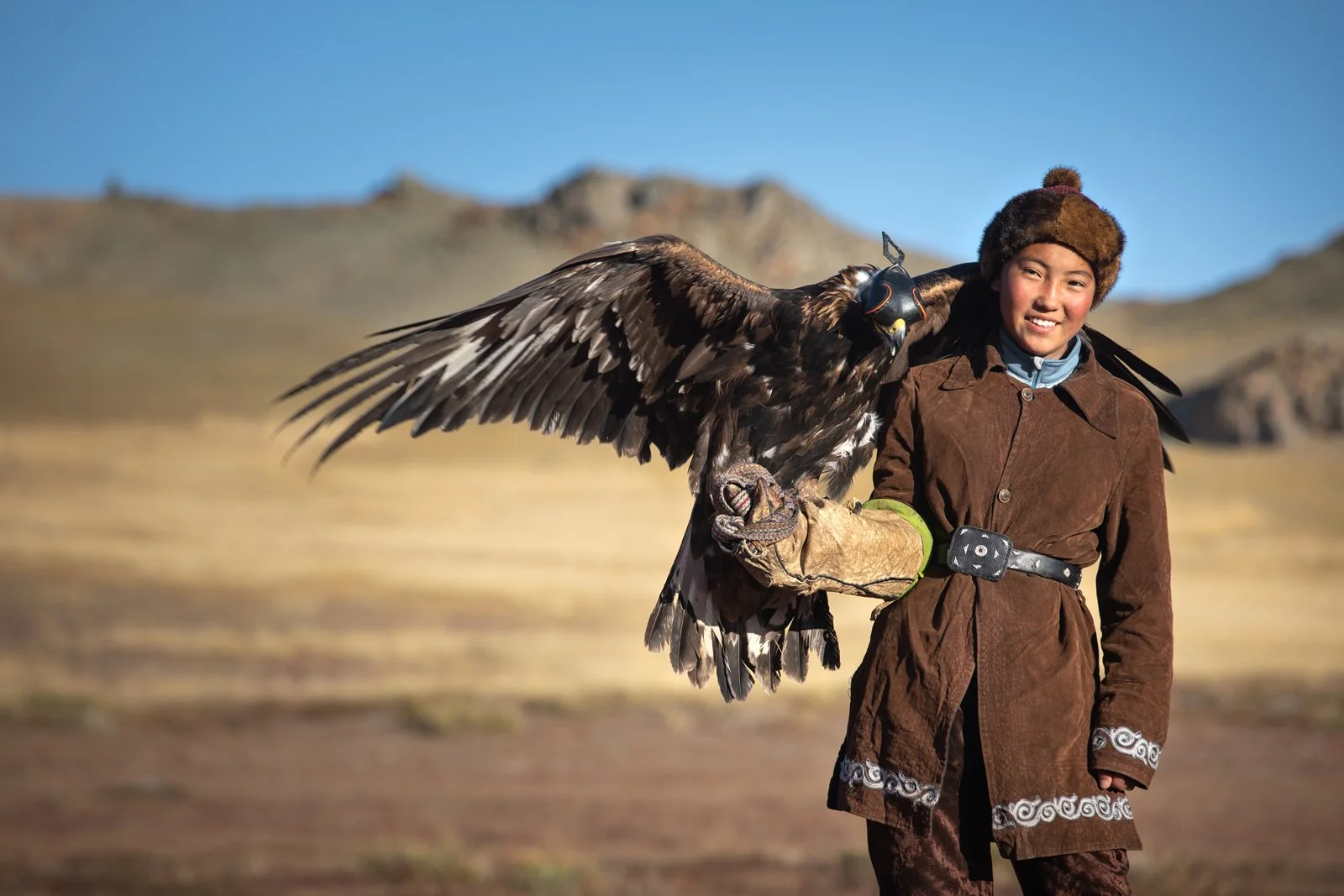
Moving into the countryside, we encounter Mongolia’s striking natural beauty: the steppe’s rolling grasslands, Gobi’s dramatic canyons, and the famed “Flaming Cliffs”, site of groundbreaking dinosaur discoveries. Here, Mongolia’s nomadic communities maintain a profound connection to the land, herding animals across seasonal pastures, crafting felt for their ger (yurt) by hand, and preserving unique cultural practices such as throat singing. Continuing to the remote western mountains, we experience the culture of the nomadic Kazakh population, including traditional hunting with eagles and the fine traditional crafts of women.
Exploring the history, traditions, stunning remote landscapes and modern identity of Mongolia, an emerging cultural destination, this tour is ideal for culturally curious travellers with a good level of general fitness and mobility.

TOUR LEADER
Dr Nick Gordon is a director of Limelight Arts Travel and cultural tour leader with twenty years’ experience leading tours to Western Europe, Asia and Australasia. The tour is also accompanied by an expert local guide, with a deep knowledge of Mongolia’s history and culture, who will facilitate interactions with Mongolia’s nomadic peoples.
“Nick was excellent: so knowledgeable about the history and culture of Romania, and the whole Balkan area. Extremely friendly and easy to get on with too” – Robert T., Romania, 2025
DETAILS
DATES:
09-24 July 2027
ITINERARY:
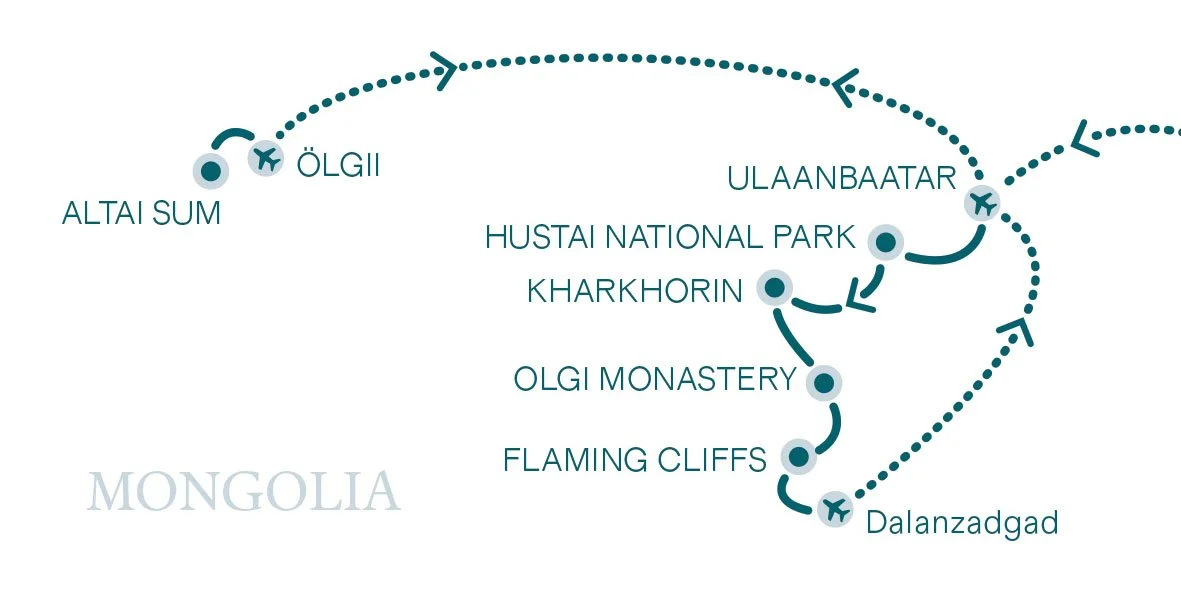
Ulaanbaatar (4n), ger camps (5n), Ulaanbaatar (1n), ger camps (3n), Ölgii (1n), Ulaanbaatar (1n)
PRICE:
$13,250pp twinshare
SINGLE SUPPLEMENT:
$1,740 for sole use of a double room
DEPOSIT:
$2,000pp at time of booking
SECOND DEPOSIT:
$2,000pp due on 11 Mar 2027
FITNESS:
Challenging: multiple 1-night stays in remote ger camps with communal toilet and shower blocks; unfamiliar and limited diet; a number of long travel days in remote regions; uneven surfaces at remote desert sites; some activities require steep ascents
GROUP SIZE:
Max. 16 places
GETTING THERE:
The tour starts in the lobby of our hotel on the evening of Friday 09 July 2027
NB: a transfer from the airport to the hotel on arrival is included for all participants; contact us for further information
Dates: 09-24 July 2027
Tour Leader: Dr Nick Gordon
Price: $13,250pp twinshare
Single supplement: $1,740 for sole use of a double room
Deposit: $2,000pp at time of booking, with a second deposit of $2,000pp due on 11 March 2027
-
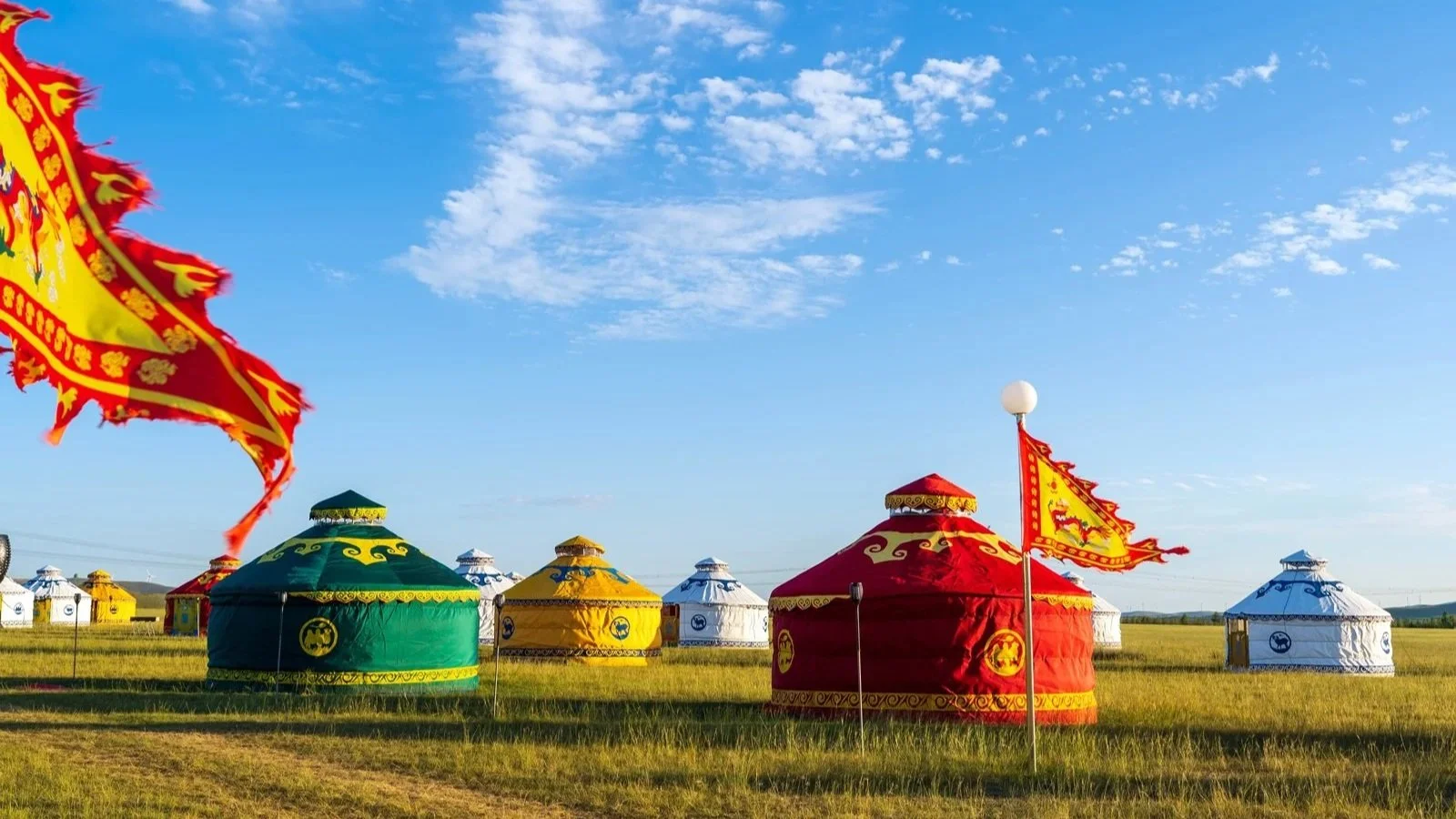
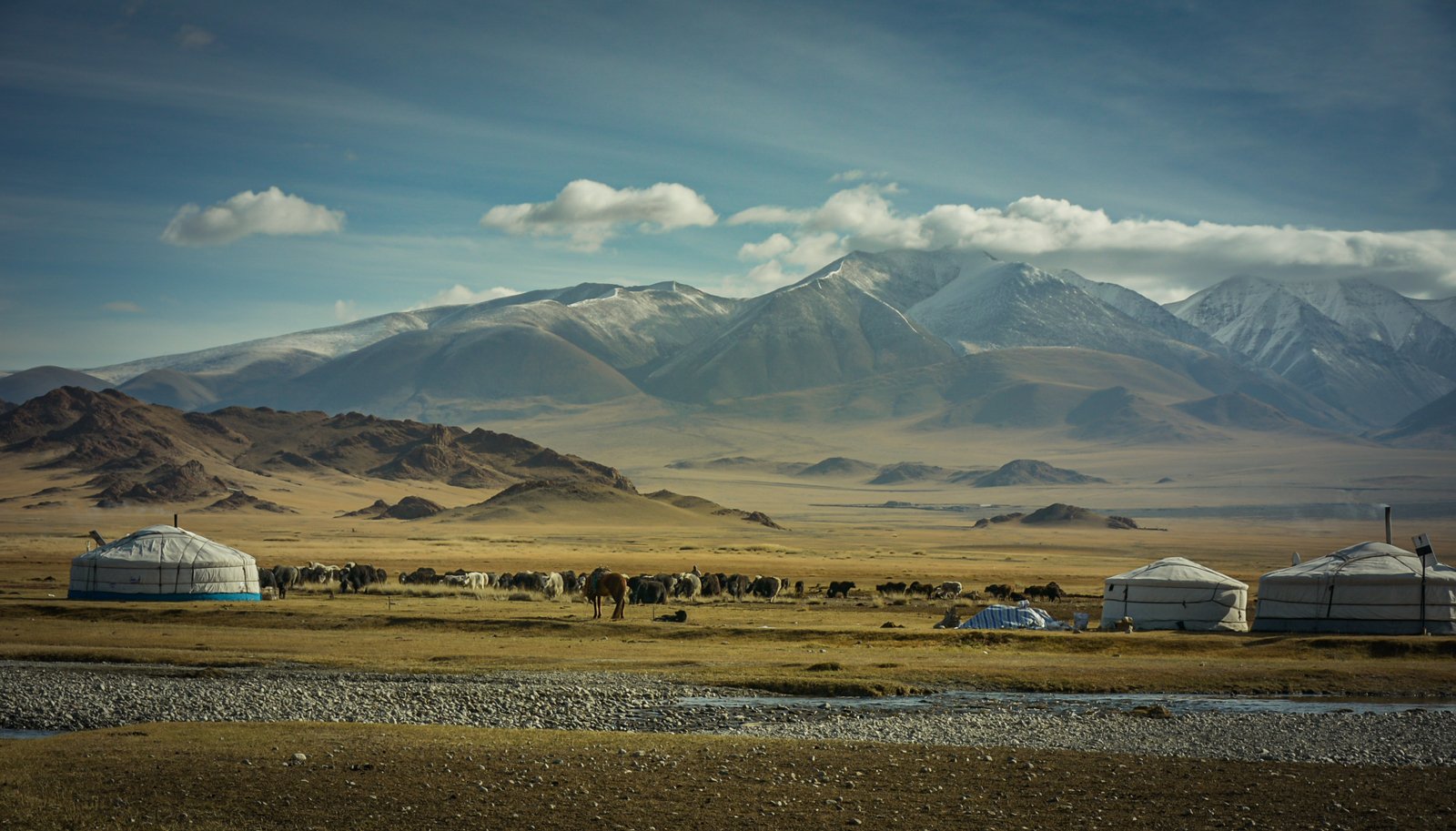
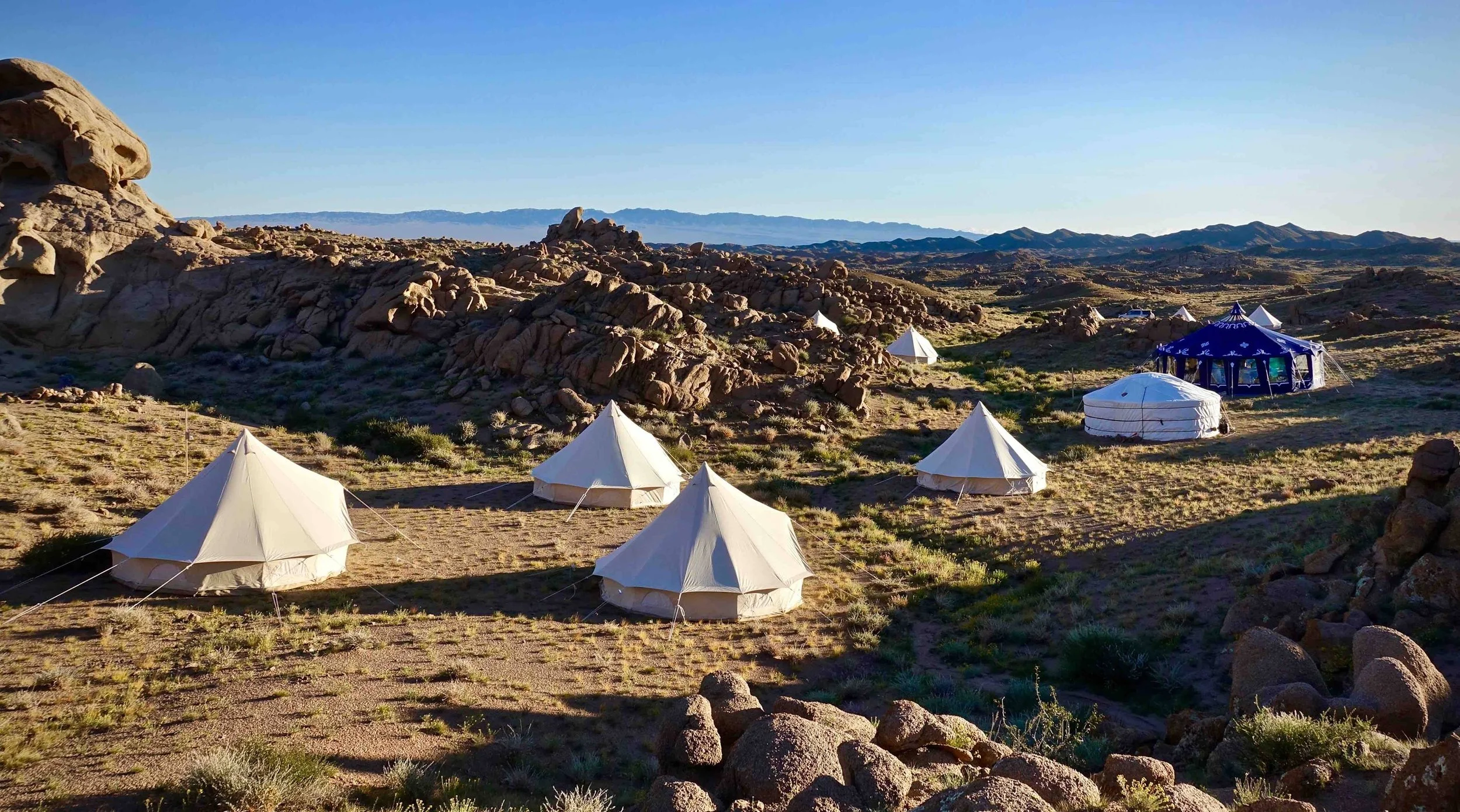
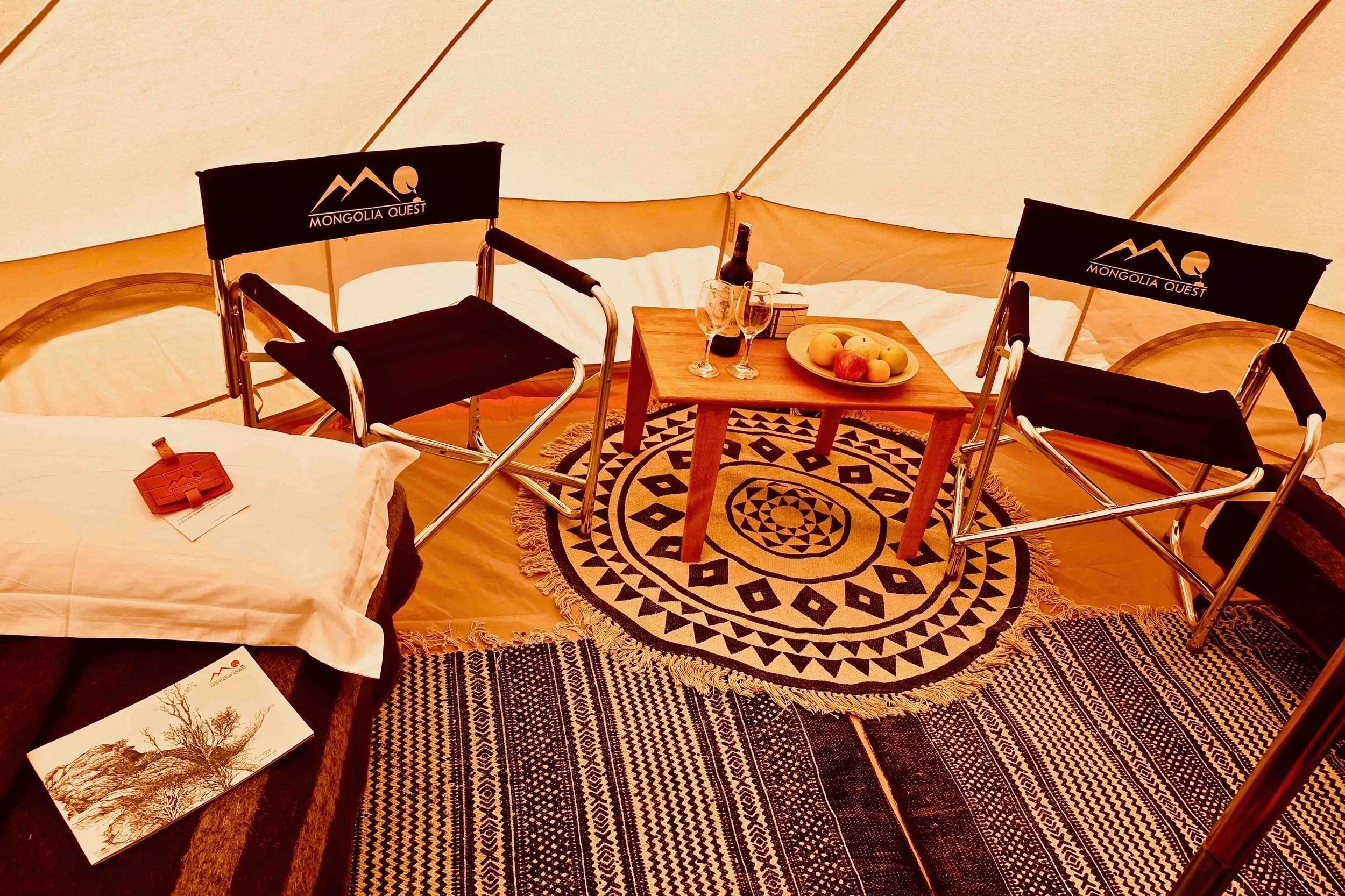
This tour travels to remote regions of Mongolia, including the Gobi Desert and Bayan-Ölgii, the mountainous westernmost province. While we are on the road in these remote regions, predominantly populated by nomadic people, we will stay in ger camps. These are made up of large round tents for sleeping, with some modern amenities such as beds, and communal toilet and shower blocks, potable water and a communal building for dining and recreation. (The images in the gallery on this page show the kind of bell tents that the group will stay in.)
Food options in these regions are limited, and the traditional Mongolian diet is reliant on animal protein, including dairy. While we have designed the itinerary to include returns to the capital in Ulaanbaatar between visits to the more remote regions, there are times on the tour when there will be no access to shops, pharmacies or mobile phone reception.
This tour requires a good level of general fitness and mobility, as there are walks and light hikes across uneven surfaces to some sights. Mongolia is approximately six times larger than the United Kingdom, so to cover the necessary distances the itinerary will potentially include an early morning domestic flight, pending final flight schedules, and there are multiple days of travelling long distances by vehicle across steppe, desert and mountain landscapes. Roads are graded but rarely paved, so local conditions can be dusty. Even in summer, night temperatures in the desert can be low.
For these reasons, we have given this tour our highest fitness rating, Challenging. We invite you to contact us at any time with your questions or concerns about the level of fitness required or the local conditions likely to be experienced.
-
Delight in colourful Naadam, as the nation comes together to celebrate Mongolia’s Three Manly Games
In Ulaanbaatar’s museums and galleries, understand the extraordinary rise of the Mongol Empire and Mongolia’s traditional and modern arts
Admire the unchanged life of the Mongolian steppes: traditional camps, nomadic people, and Przewalski’s horses in the wild
Marvel at the landscape of the Gobi Desert at the Flaming Cliffs, the dramatic site of numerous dinosaur discoveries
Experience Mongolia’s nomadic Kazakh culture, including traditional performances and hunting with eagles
Benefit from the expertise of an experienced tour leader in an emerging destination for cultural travel
-
FRIDAY 09 JULY 2027 – ARRIVAL (D)
Transfers from the airport to the hotel in Ulaanbaatar are included for all tour participants. Limelight Arts Travel can help to organise your flights, comprehensive international travel insurance (a condition of travel), and any pre-tour accommodation; contact us for information. In the early evening we meet in the hotel lobby to commence our tour, with an opportunity to get to know your tour leader, local guide and fellow travellers over dinner. Overnight Ulaanbaatar.
SATURDAY 10 JULY 2027 – ULAANBAATAR (B, L, D)
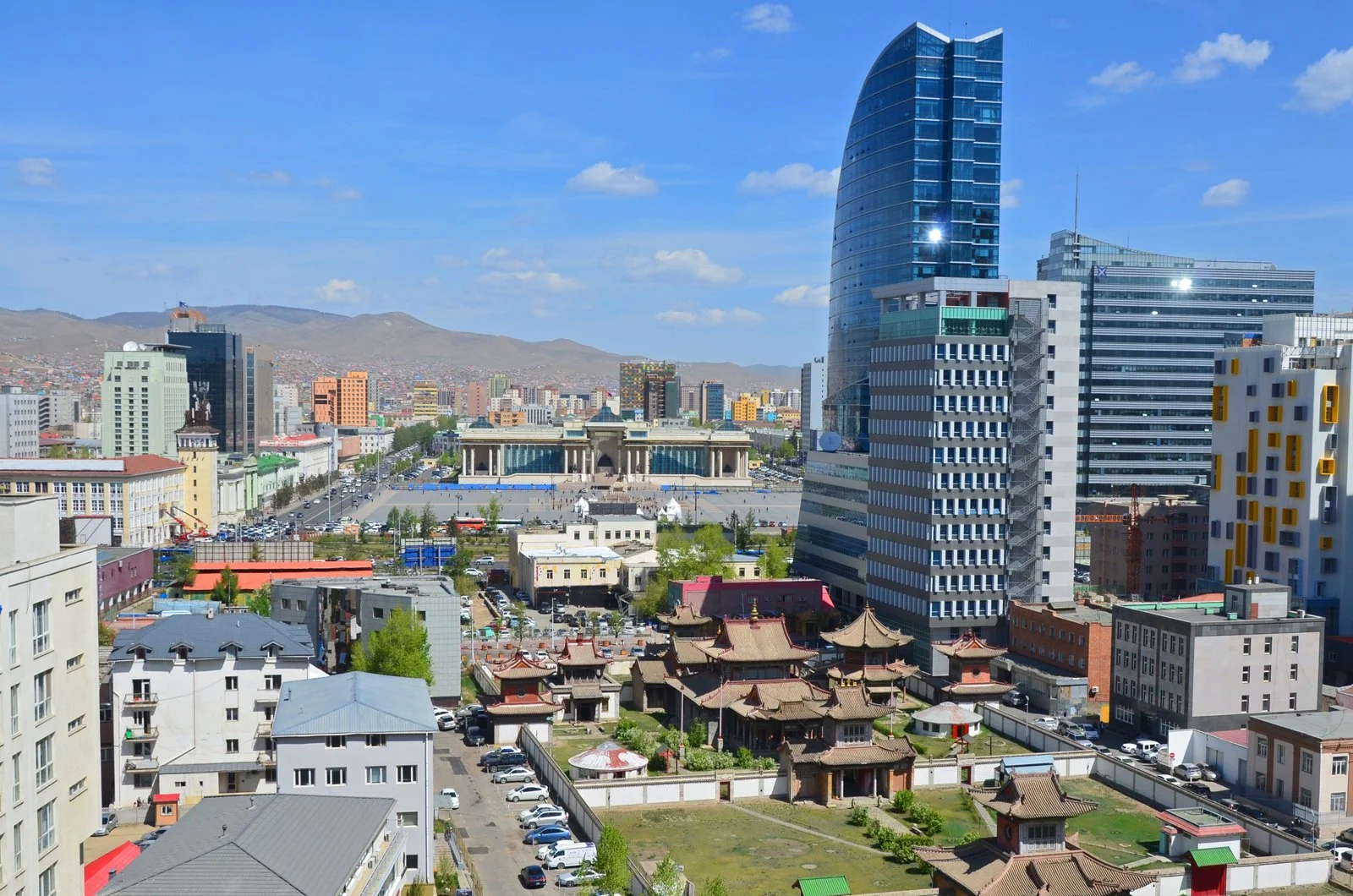
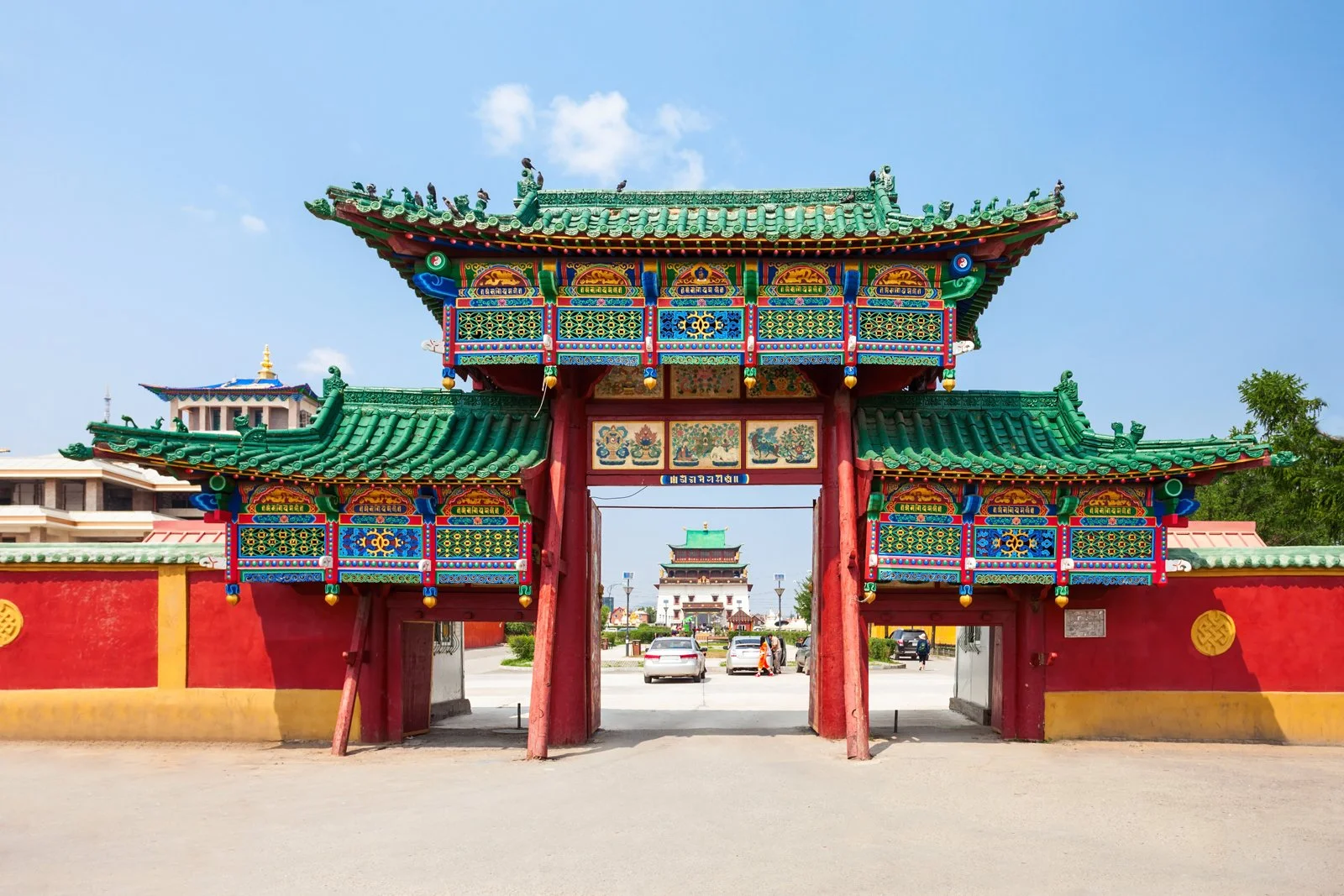
Beyond Genghis Khan – or “Chinggis Khaan,” in the local spelling – Mongolia’s history and culture is unfamiliar to most of us. Today we get to know different aspects of Mongolia’s varied past, starting with a visit to the Choijin Lama Temple museum, a historical and cultural gem of the previous century. The monastery was active until 1938 and is preserved today as a museum of Mongolian Buddhist art and architecture, comprising five temples and arched gates. Treasures here include a sculpture of Choijin Lama, the embalmed remains of his teacher, and the great coral mask of Begtse, created from over 6,000 pieces of coral. There are also unique sculptures made by one of Mongolia’s most famous artists, Zanabazar. After lunch together, we visit the Chinggis Khaan Museum. Recently opened, it covers the history of Mongolia, with a focus on the Great Mongol Empire established by Chinggis Khaan. This was the largest contiguous land empire ever created, stretching from the coast of China to the fringe of Europe. After a tour of the museum and some time at leisure for independent explorations, we return to the hotel. In the evening, we enjoy dinner together. Overnight Ulaanbaatar.
SUNDAY 11 JULY 2027 – THE NAADAM FESTIVAL (B, L, D)
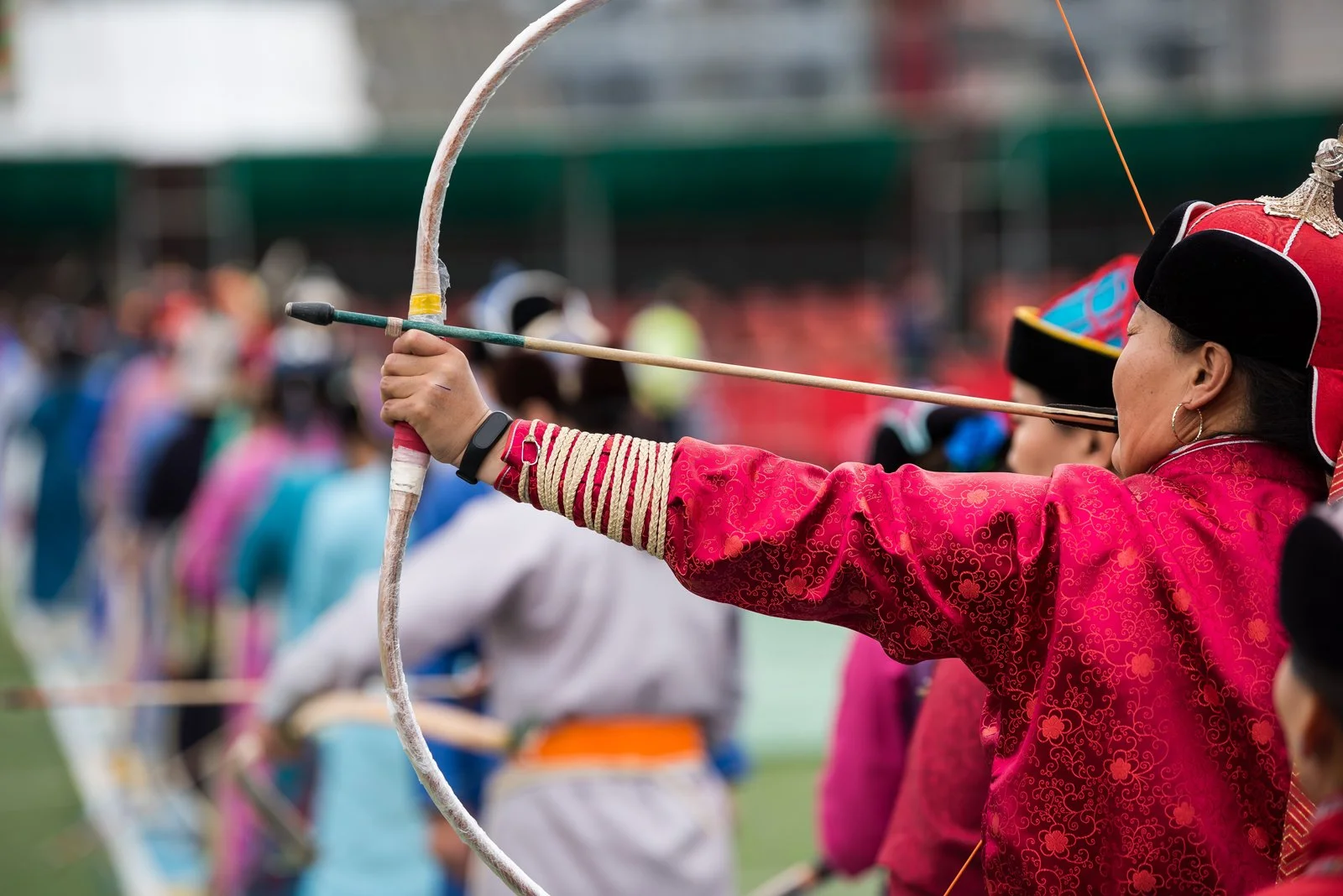
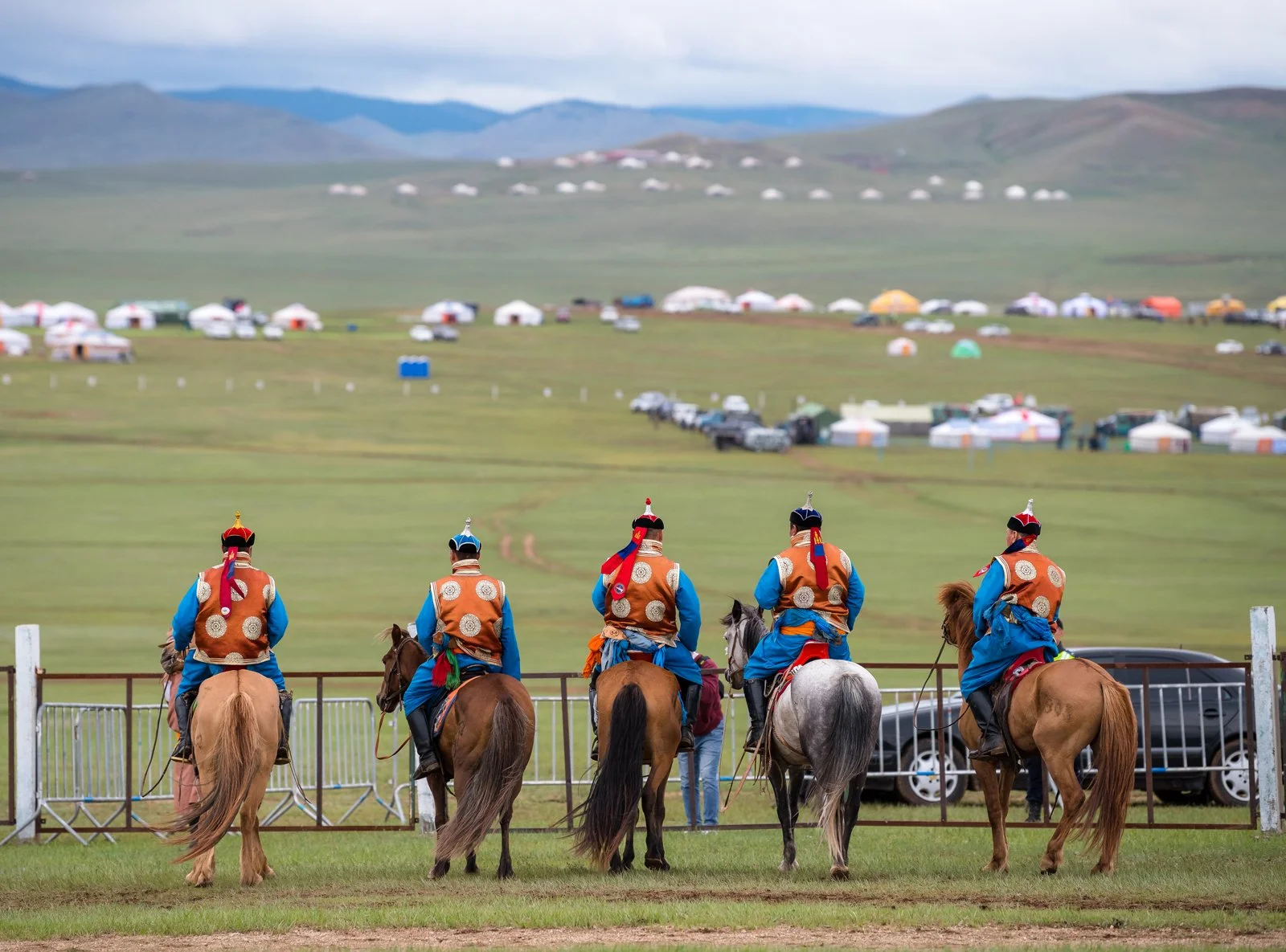
The Naadam Festival is the highlight of Mongolia’s cultural calendar. For a culture that has long been primarily nomadic, this summer event offers an opportunity for families and friends to reunite from across the land for feasting, celebrations, and traditional martial games. The latter are the “Three Manly Games” of traditional wrestling, archery and horse racing, and are believed to have originated before the time of Chinggis Khaan to train men for military campaigns. Nowadays there are archery competitions for both men and women, where archers compete at ‘moderate’ target distances of between 70-100 metres! Traditional wrestling is popular in Mongolia but there are no age or weight restrictions, so larger athletes may be pitched against smaller ones – an age-old tradition reflecting the reality of a battlefield where one couldn’t choose one’s opponent. Horseracing takes place outside of the city and is divided into six groups by horse age, starting from 2-year-olds. Jockeys are usually children aged between 6-12 years old, with the race focused more on endurance than speed, reflecting a culture that historically fought across the vast steppes of Central Asia. Two-year-old horses, for example, race for 12km and adult horses may race for over 30km.
Today is our first day at the festival, and as we also return tomorrow there is ample opportunity to enjoy all three main competitions, and to partake in the cultural events arranged during the celebrations. These include a folklore show, traditional Khoomei throat-singing, and dancing. Overnight Ulaanbaatar.
MONDAY 12 JULY 2027 – MORE CELEBRATIONS AT NAADAM (B, L, D)
Today we continue experiencing Naadam festivities, with a combination of sporting and cultural events – and feasting! Thanks to our national guide, there is also the opportunity to interact with Mongolian people who have travelled from far and wide to participate and to socialise with friends and family. Overnight Ulaanbaatar.
TUESDAY 13 JULY 2027 – GANDAN TEMPLE, HUSTAI NURUU NATIONAL PARK (B, L, D)
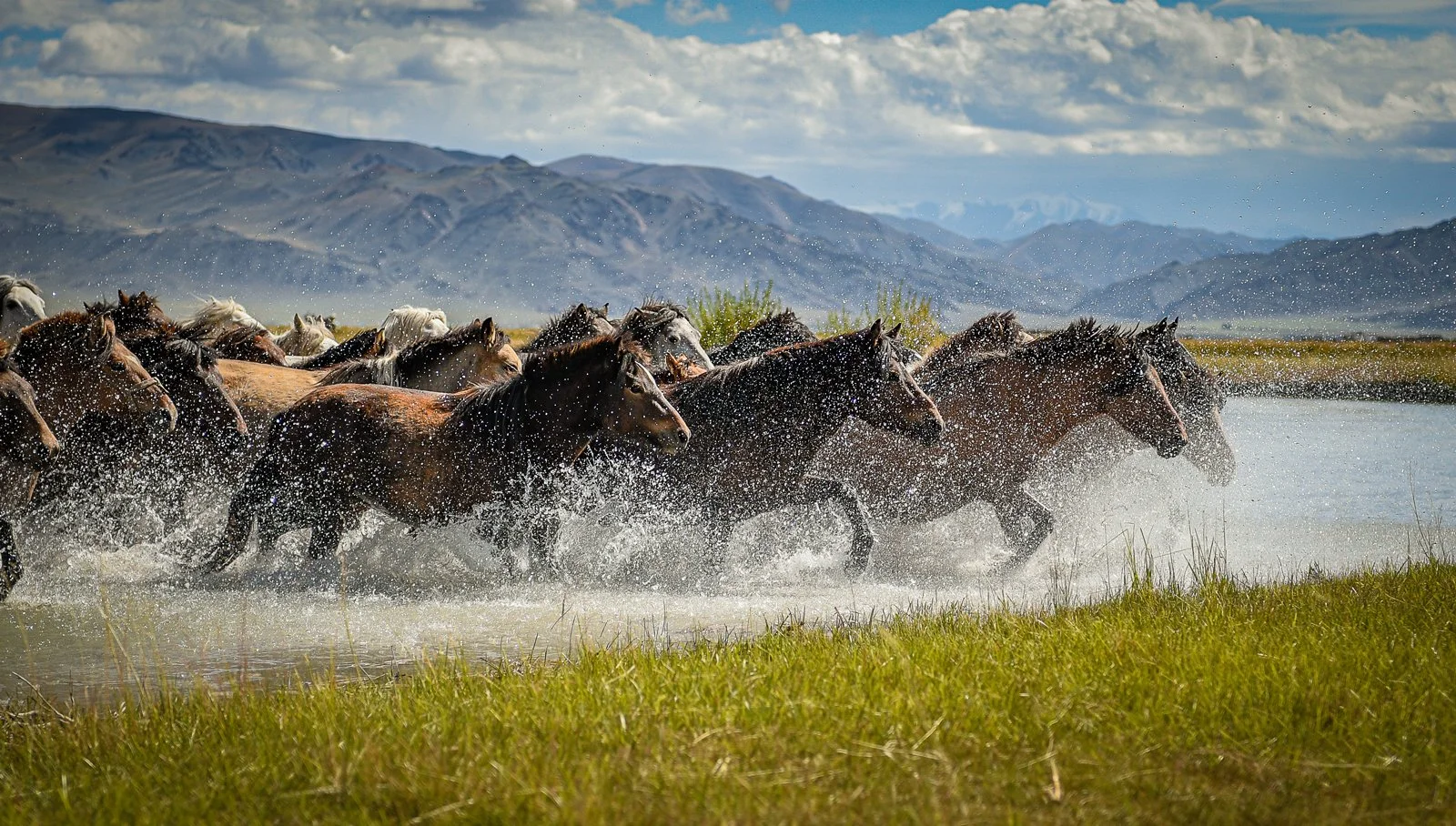
We leave Ulaanbaatar this morning to begin our journey by private vehicle into the magnificent landscapes and traditional cultures of Mongolia. We call in at Gandan Monastery, the country’s largest, with an imposing 27-metre-tall statue of Megjid Janraisig, a bodhisattva of great compassion and mercy. It is the religious symbol of Mongolia’s independence and democracy after the transition to democracy in 1990. The original statue was destroyed by Soviet authorities in the 1930s, but in the 1990s a Mongolian student in St Petersburg found fragments of the original and began a nationwide campaign to collect money for reconstruction. After years of hard work, this magnificent statue was resurrected and now stands proud in the monastery temple. We then continue to Hustai Nuruu National Park, to the west of Ulaanbaatar. Mongolia’s Takhi or Przewalski’s horses are iconic: truly wild, unrelated to the modern domesticated horse and its feral descendants, such as the brumby. Along with the Tarpan, a Eurasian horse, the Takhi was the dominant grazer of the arid grasslands of the steppe. After the last horses disappeared from the wild in the late 1960s, genetically pure animals were bred in captivity in European zoos and have been reintroduced into three distinctive habitats in Mongolia. Hustai Nuruu is one of those places and gives us an opportunity to admire the handsome horses in their natural habitat. After lunch together, we continue to the Ongot monuments, gravesites composed of granite statutes that were built by people of Turkic origin about 1,200 years ago. After exploring the site, we continue to our first ger camp, where we have dinner and stay overnight.
WEDNESDAY 14 JULY 2027 – HARHORIN, AN ANCIENT CAPITAL (B, L, D)
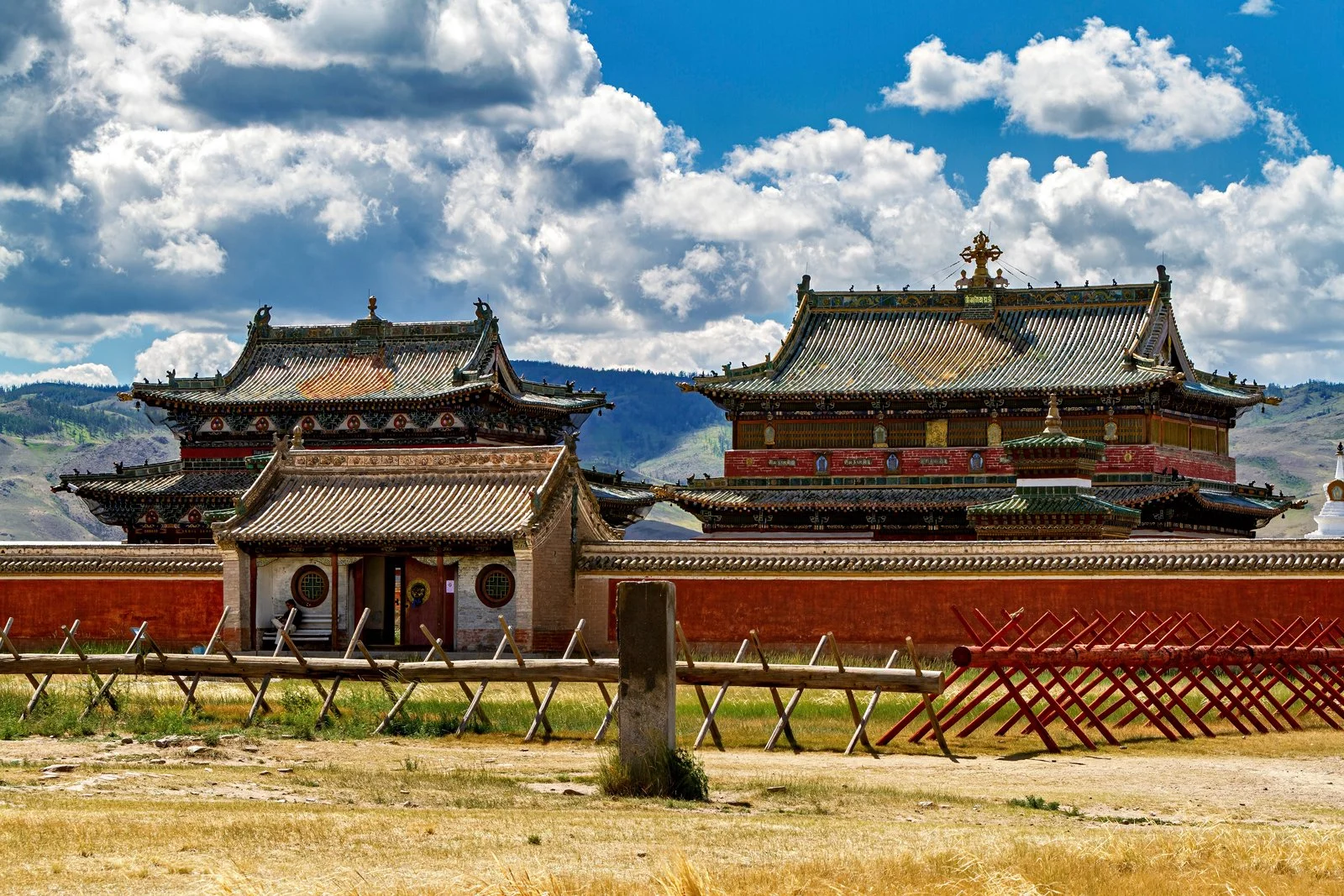
After an early breakfast, we travel to Harhorin (Kharkhorin). Harhorin was built during the reign of Ögedei Khan, Chinggis Khaan’s third son, who in 1228 inherited the empire his father created. It is located within the beautiful and UNESCO World Heritage-listed valley of the Orkhon River, where hundreds of historically and archeologically significant sites from more than 2,000 years of the region’s history have been uncovered. These include burial sites, deer stones (ancient megaliths) and cities that pre-date the Mongol Empire. Unfortunately, Harhorin did not survive the end of the empire and was destroyed by the Ming Dynasty’s army in the fourteenth century, after the collapse in China of Mongolia’s Yuan Dynasty. Its remains were used in the construction of Mongolia’s first and largest Buddhist monastery, Erdene Zuu, which still stands today. After an early lunch at a local camp, we visit the site, the local museum preserving its history, and the colourful Erdene Zuu monastery. Dinner and overnight at a ger camp.
THURSDAY 15 JULY 2027 – ONGIIN HIID MONASTERY (B, L, D)
This morning we continue south to the Gobi Desert, stopping as the moment presents itself to meet herder families living and working in this region, and for a simple, picnic-style lunch with Mongolian nomads. Continuingsouth, wevisit Ongiin Hiid Monastery in the afternoon, located at the northern tip of the desert. This monastery, once called the ‘Pearl of the Gobi,’ was at a crossroads of the Central Asian Silk Road, once plied by caravans of Bactrian camels. In the mid 1990s, an effort to restore the monastery to its former glory began, with a local lama singlehandedly bringing this once-flourishing Buddhist centre back to life. Over the past twenty years he has taught Buddhist teachings to local children, many of whom subsequently studied in India before returning to help their teacher. Recently, the founding lama of the monastery was reincarnated in the Gobi Desert, bringing more prominence to the site. After our explorations, we settle in for dinner and overnight at a ger camp on the banks of the Ongi River.
FRIDAY 16 JULY 2027 – THE SOUTH GOBI DESERT & ANCIENT PETROGLYPHS (B, L, D)
After breakfast, we continue our road trip into the Gobi Desert to a camp at the foot the dramatic Gobi Gurvansaikhan Mountains. This location offers a magnificent view of the landscape known as Mongolia’s “Three Beautiful Mountains”. After lunch, there is time to relax at the camp, where we’ll stay for the next two nights, to enjoy the peaceful surroundings. There is the option in the afternoon to make the hike to Khavtsgait, a small rocky mountain with a remarkable collection of ancient rock art. The works were made between 3,000 and 4,000 years ago and Dr Christopher Atwood, a specialist on Mongolian petroglyphs, has concluded that this site might show the earliest depiction of a Mongolian ger. Please note that this optional activity requires hiking up a steep rocky outcrop with a loose surface, so sturdy shoes are essential. Dinner and overnight at the ger camp.
SATURDAY 17 JULY 2027 – YOL VALLEY & THE FLAMING CLIFFS (B, L, D)
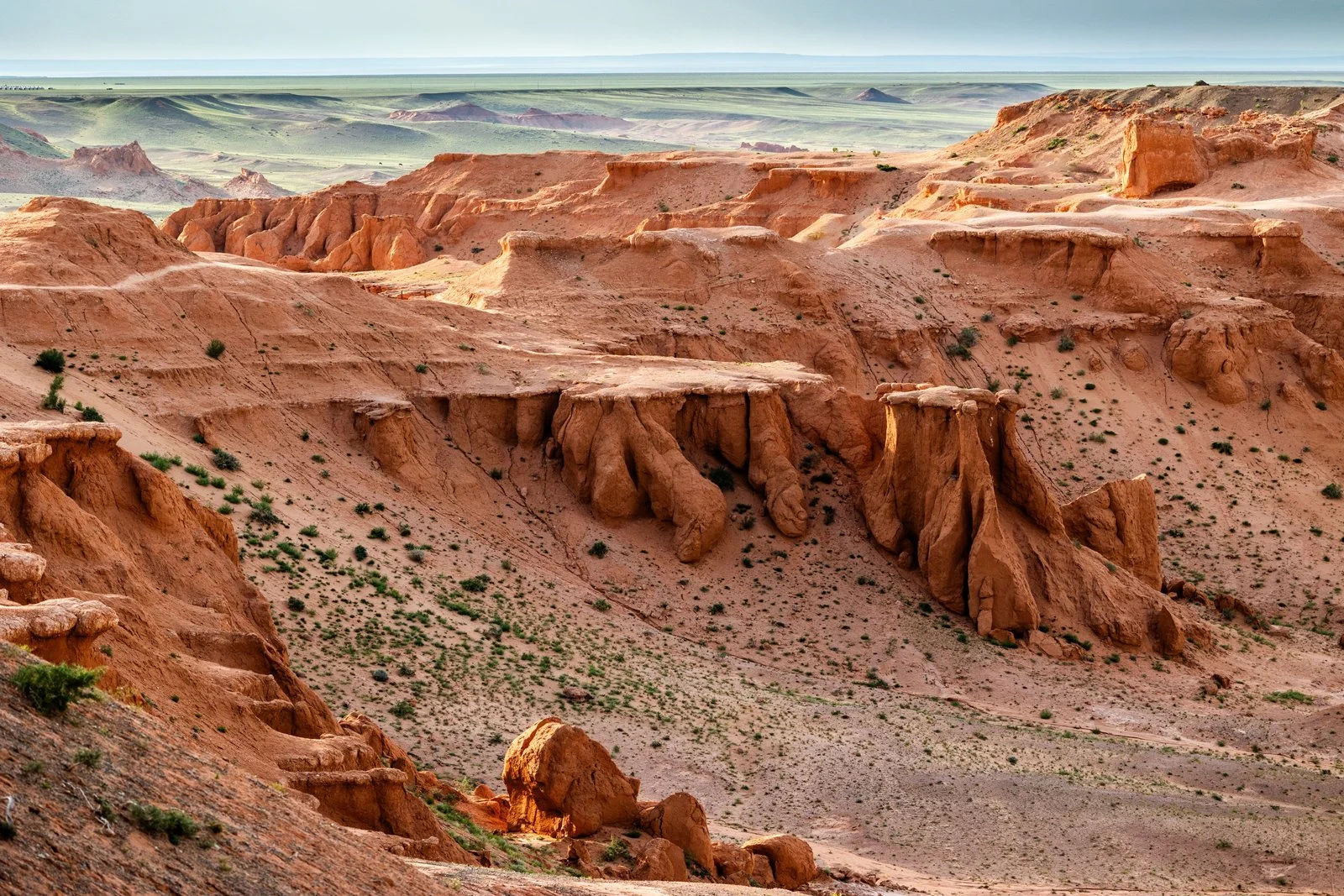
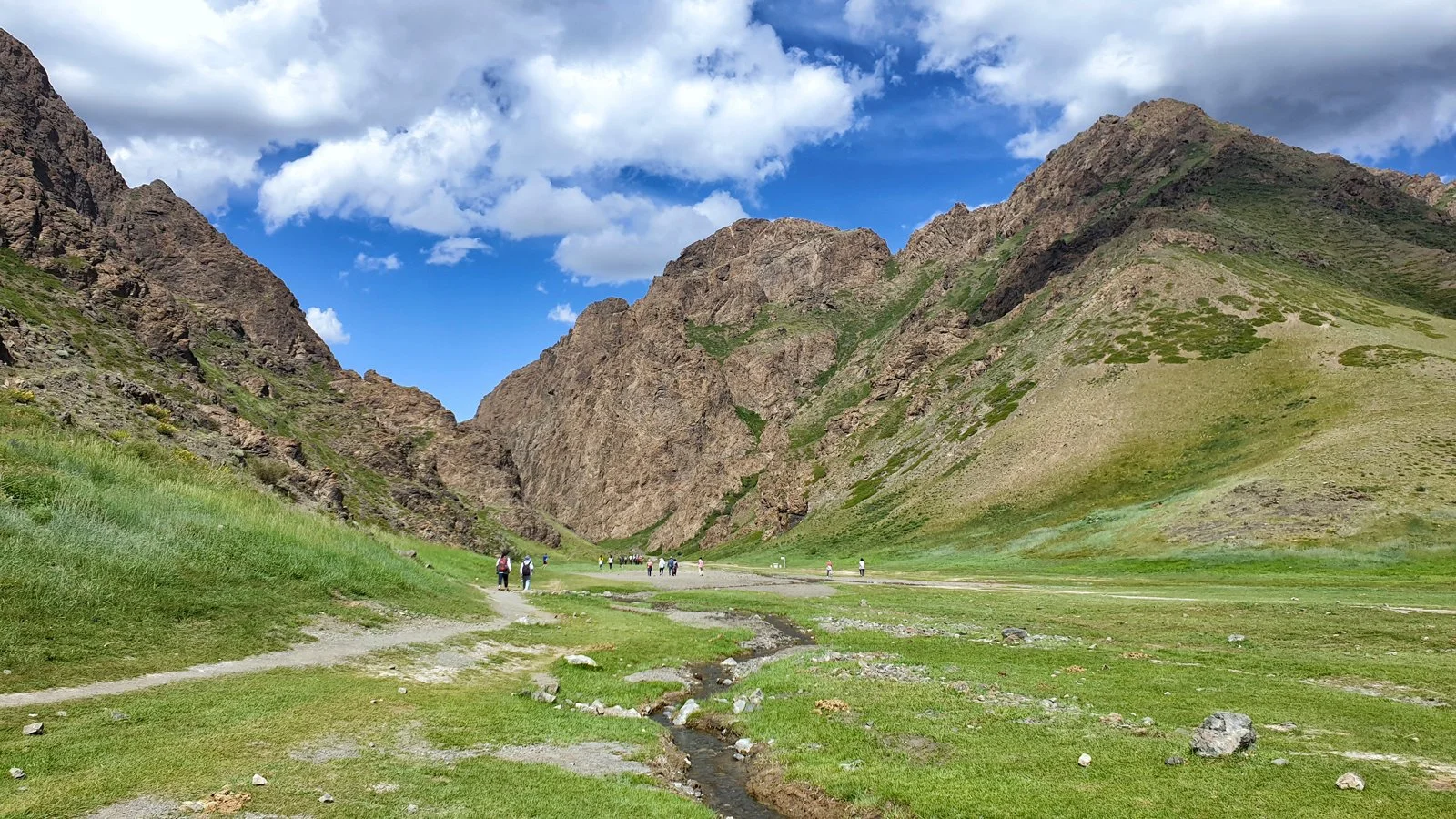
Today we discover the deep geological history of the Gobi Desert. We begin in the Yol Valley, named for Mongolia’s bearded vulture. The Yol Valley is a great introduction to Gobi’s diverse ecosystems, which we’ll explore on a gentle hike of 1-2 hours through the valley. We then visit the local Natural History Museum, to learn more about the region’s geology and prehistory, before returning to the camp for lunch. In the afternoon, we drive to the Flaming Cliffs, red sandstone cliffs that stretch over three kilometers. The cliffs are more than scenic: they are the location of one of the world’s richest fields of dinosaur fossils. Paleontological expeditions from countries, including from the USA, Poland, Japan and Russia, have worked here over the last ninety years and discovered hundreds of fossils, with more uncovered each year by the natural erosion of the cliffs. Dinner and overnight at our ger camp.
SUNDAY 18 JULY 2027 – FLY TO ULAANBAATAR, MUSEUM OF MODERN ART (B, L)
After breakfast this morning, we transfer to Dalanzadgad airport to fly to Ulaanbaatar. After lunch, we visit Mongolia’s Museum of Modern Art, whose collections help us understand the different impacts of modernism and modernisation over the Soviet period from the 1930s to 1990. Evening at leisure. Overnight at a hotel in Ulaanbaatar.
MONDAY 19 JULY 2027 – REMOTE BAYAN-ÖLGII (B, L, D)
This morning, we fly to Bayan-Ölgii, a remote mountainous province in western Mongolia, an isolated area which has preserved the language, culture and traditions of Mongolia’s nomadic Kazakh people – and also provides some of the most spectacular scenery in the country. Over the next days there will be ample opportunity to meet local families and experience the unique Kazakh culture firsthand. Upon arrival, we drive through mountain valleys, following the Sagsai River, to our campsite at Altai Soum. This is a popular summer camp for local nomads and was a movie location for The Eagle Huntress (dir. Otto Bell, 2016). The documentary follows a 13-year-old Kazakh girl as she attempts to become the first female eagle hunter to compete in Mongolia’s Golden Eagle Festival. Dinner and overnight at a ger camp.
TUESDAY 20 JULY 2027 - JALANGASH (B, L, D)
After breakfast we visit Kazakh families camping in the area, many of whom maintain traditional semi-nomadic herding by moving with their animals several times a year and living in Kazakh-style gers during summer. Unlike gers in other regions of Mongolia, traditional Kazakh gers are larger, taller and have no support columns in the centre. Kazakh women are renowned for their skills in embroidery and appliqué, and their gers are decorated in bright colours. Following tonight’s dinner, we enjoy a cultural performance by local artists and nomads. Overnight at a ger camp.
WEDNESDAY 21 JULY 2027 – HUNTING WITH EAGLES (B, L, D)
Hunting with golden eagles is a time-honoured Turkic tradition that has been passed down from generation to generation. Today we visit a group of eagle trainers, who hunt for fox and hare during the bitter winter months. Female eagles are preferred, as they are believed to be more aggressive and can weigh as much as 7kg (nearly one-third more than the males)! We spend the day learning from the hunters, visiting their homes and riding along to watch them train their birds. There is also the opportunity to help document this centuries-old tradition. In the evening we also enjoy a cooking experience, making a traditional central Asian dish together. Overnight at a ger camp.
THURSDAY 22 JULY 2027 – ÖLGII (B, L, D)
Much of the Kazakh population in Ölgii province are Sunni Muslim and we return to Ölgii today to get to know their culture better. We visit the local mosque and have lunch at a local Turkic restaurant, and there is time in the afternoon to visit the local market. Dinner and overnight at a hotel in Ölgii.
FRIDAY 23 JULY 2027 – CONTEMPORARY ULAANBAATAR (B, D)
After an early breakfast, we fly to Ulaanbaatar this morning and transfer to our hotel. In the afternoon, we visit local contemporary art projects that offer an insight into the vibrant, emerging art scene in Ulaanbaatar. There is a farewell dinner this evening, an opportunity for us to share and reflect on our experiences together. Overnight Ulaanbaatar.
SATURDAY 24 JULY - DEPARTURE (B)
The tour concludes after breakfast this morning, with transfers to the airport included for each participant. Limelight Arts Travel would be pleased to assist in your onward travel arrangements, including flights and any post-tour accommodation; contact us for further information.
-
Tuushin Best Western Premier 5* Ulaanbaatar, 6 nights
Our Deluxe rooms in this well-located hotel provide modern comfort between our stays in remote ger camps.
Ger camps, 8 nights
In remote and regional Mongolia, we stay in ger camps. Ger camps include heated accommodation, a central ger for dining, and shared bathrooms with shower facilities.
Hotel TBC 3* Ölgii, 1 night
Details TBC of this simple 3* hotel in the region’s capital.
NB: hotels of a similar standard may be substituted.
-
All accommodation in best available hotels in Ulaanbaatar and Ölgii, and in ger camps in remote rural regions
All breakfasts and 27 lunches or dinners
All ground transport in private vehicles
Domestic flights in Economy class from Dalanzadgad to Ulaanbaatar, and return Economy class flights from Ulaanbaatar to Ölgii (NB checked baggage limit of 23kg)
Arrival and departure transfers to the airport in Ulaanbaatar
All tipping at group meals, and for guides and drivers as appropriate
All entrances to sites, as per the itinerary
The services of an Australian tour leader and of a Mongolian national guide throughout
-
A $2,000pp deposit is required at the time of booking to hold your place on tour.
A second deposit of $2,000pp is due on 11 March 2027.
We will invoice you for final payment for the tour, due on 23 April 2027.
-
This tour requires a good level of general fitness and mobility. Much of the tour requires travelling long distances on graded but unsealed roads, to reach the country’s most scenic and historically rich locations. You will often stay at comfortable but simple camp sites in beautiful locations, with communal toilets and shower blocks.
Undertaking this tour requires you to:
get in and out of the back seats of a 4WD vehicle
travel on unsealed roads, which can be dusty in the summer months
sleep on beds in large tents that are low to the ground (i.e. camp beds)
use communal shower and toilet blocks at ger camps
tolerate a diet that is different to and more limited than a modern Western diet, and, in remote locations, based on animal protein (meat and dairy)
be confident to walk on uneven and/or slippery surfaces for 1-2 hours at a time, if undertaking the activities described as light hikes
be confident in your capacity to handle some early starts, pending domestic flight schedules
travel for up to 2-3 hours at a time without access to a bathroom
use a simple “long drop” toilet in remote areas
have no mobile or internet reception in remote areas
have limited access to shops, including pharmacies, and the possibility of replenishing medications
NB: if you usually travel with medication that requires constant refrigeration, please contact us before booking on the tour
-
WHAT ACCOMMODATION IS OFFERED?
In the capital Ulaanbaatar we stay in a comfortable, modern 5* hotel, of a similar quality to a Western 4*. In the provincial capitals of Ölgii in the western mountains, we stay at a simple 3* hotel, which is the best available. When we travel to remote areas, we stay at ger camps, often in scenic locations where modern development has had minimal impact on the natural environment. Gers (Mongolian yurts) are large, round tents and are the traditional form of accommodation for the semi-nomadic people of Mongolia. Modern gers come with heating, insulation and camp beds. Camps are equipped with electricity from generators or solar cells, potable water and a communal tent for dining and recreation. Bathrooms tend to be in common blocks, with flushing toilets and showers, about 200m from the gers. Please note that refrigeration for medication cannot be guaranteed in ger camps. Simple, ger camp accommodation is the best way to experience the beauty and culture of Mongolia, and indeed the only way to experience its most famous remote destinations.
WHAT ARE THE MEALS LIKE? CAN MY DIETARY NEEDS BE ACCOMMODATED?
A broad range of cuisines are available in the capital, with Western, Russian and Chinese cuisines the most common. In remote or regional areas, there are fewer options available and the traditional diet is based on animal protein (milk, cheese and meat). Vegetarian and gluten free meals may be catered for with advance notice, if local suppliers are aware of dietary needs; contact us at the time of booking if this affects you.
WHAT ARE MEDICAL FACILITIES LIKE IN MONGOLIA?
Medical facilities in the capital, particularly the private facilities used by most foreigners, are of a good standard. In regional towns, however, they are basic and in remote regions they are almost non-existent. Significant illnesses or injuries may require leaving the country. Comprehensive international travel insurance, including coverage for medical evacuation, is a condition of travel.
ARE MEDICATIONS AVAILABLE LOCALLY? CAN I BRING MY OWN?
The range of medicine available in Mongolia is limited, so you must bring your own supplies. You could be required to show your prescriptions at the airport on arrival, so bring a copy of your prescriptions and a letter from your doctor with the names of your medications, your required dosages and a statement that they are for your personal use only.
ARE SPECIAL VACCINATIONS REQUIRED?
Some diseases are common in Mongolia, so it is advisable to ensure that your routine vaccinations are up to date, including for tetanus, diphtheria, polio and COVID-19. Hepatitis A and Typhoid vaccinations are also strongly recommended. Australians should consult the advice of the Department of Foreign Affairs and Trade (DFAT) and you should make an appointment with your doctor to discuss recommended vaccinations 6-8 weeks before you travel.
IS THERE MOBILE PHONE COVERAGE WITH GLOBAL ROAMING OR AN E-SIM?
There is mobile phone coverage in the capital and regional centres. This tour travels to remote regions, however, where there is no mobile phone coverage. During these times – in the Gobi Desert for example – there is limited access to satellite WIFI in the ger camps. For this itinerary, we suggest that you use hotel Wi-Fi facilities while in Ulaanbaatar and assume that the best function of your phone when in other destinations is to serve as your camera!
WHAT IS THE WEATHER LIKE IN MONGOLIA IN THE SUMMER?
Summer in Mongolia is relatively short. Average temperatures are 20-25 degrees Celsius in most parts of the country, but they can reach 30 degrees in the Gobi Desert, where there is little shade cover. In the mountains, even in summer, the weather can change quickly. We also recommend that you bring an effective insect repellent.
WHAT KIND OF CLOTHING SHOULD I BRING?
Mongolians are conservative and modest in their dress: most women outside the capital will not wear short skirts or immodest tops, and men will not usually wear shorts, unless swimming. Women should bring a light scarf, to cover their heads when we visit a mosque in western Mongolia. We strongly recommend bringing layered clothing, with good coverage for sun protection and thin but warm layers – of the “icebreaker” or Uniqlo puffer variety – in case of drops in temperature in the desert at night. Laundry facilities will not be readily available, except in our hotel in Ulaanbaatar, so be prepared to do your own handwashing. A sun hat is imperative: Mongolia is known locally as the “Land of the Blue Sky”, with an annual average of 260 sunny days.
WHAT LOCAL CUSTOMS SHOULD I KNOW ABOUT NOW?
Mongolia is a cash-based economy, but almost all of your expenses are covered by the tour program. You can withdraw the small amounts you might need, for souvenirs and the like, at ATMs in Ulaanbaatar. Outside of the capital, cash will not be easily procured.
Buddhism is the predominant religion in Mongolia, with Islam practised among the Kazakh nomads in the west. Dress modestly for visits to temples and mosques, with long sleeves; remove hats and shoes before entering religious buildings.
It is common to take a gift for your host if visiting a local. As our program takes every opportunity to interact with nomadic people in particular, your tour leader will bring some representative gifts from Australia. You might like to bring a pack of small Australian souvenir items to distribute yourself, as you desire. Similarly, you should always accept when offered gifts or food; even if you’re not hungry, taking even a small nibble demonstrates appropriate courtesy.
Don’t worry, your national guide will offer helpful cultural tips throughout the tour.
-
When you book on one of tours, we ask you to accept our terms and conditions. You can read our terms and conditions here.
BOOK YOUR PLACE
A deposit of $2,000pp is required at the time of booking to hold your place on this tour
Dates: 09-24 July 2027
Tour Leader: Dr Nick Gordon
Price: $13,250pp twinshare
Single supplement: $1,740 for sole use of a double room
Deposit: $2,000pp at time of booking, with a second deposit of $2,000pp due on 11 March 2027
NEED TIME TO CONFIRM YOUR PLANS?
You can hold a place with no obligation for 7 days while you check your other arrangements
Questions?
Get in touch with us by email or call us on (02) 8599 4201